- +65 6333 0737
- programs@tei.sg
- Peninsula Plaza, Singapore

Strategic Planning for Organizational Agility and Performance Excellence
CORPORATE TRAINING FOR MANAGERS & EXECUTIVES-SINGAPORE


Equipping leaders and teams with practical skills
Future-Ready Leadership Training & Workforce Upskilling
TEI offers Business planning, operational planning, and the effective implementation of performance management and reporting throughout the company all begin with the creation of a strategic plan.
All organizations must be ready to shift course, make strategic investments and divestitures, and mobilize personnel and resources in order to counter threats and take advantage of opportunities in the rapidly evolving global business and political landscape.
Strategic & Results-Driven
Upskilling and retraining your employees is more important than ever in today’s quickly evolving business environment to boost both their personal development and the business outcomes of your company.
The Singaporean government’s directives, such as Skills Future, Workforce Skills Qualification, and Professional Conversion Programme, make this clear.
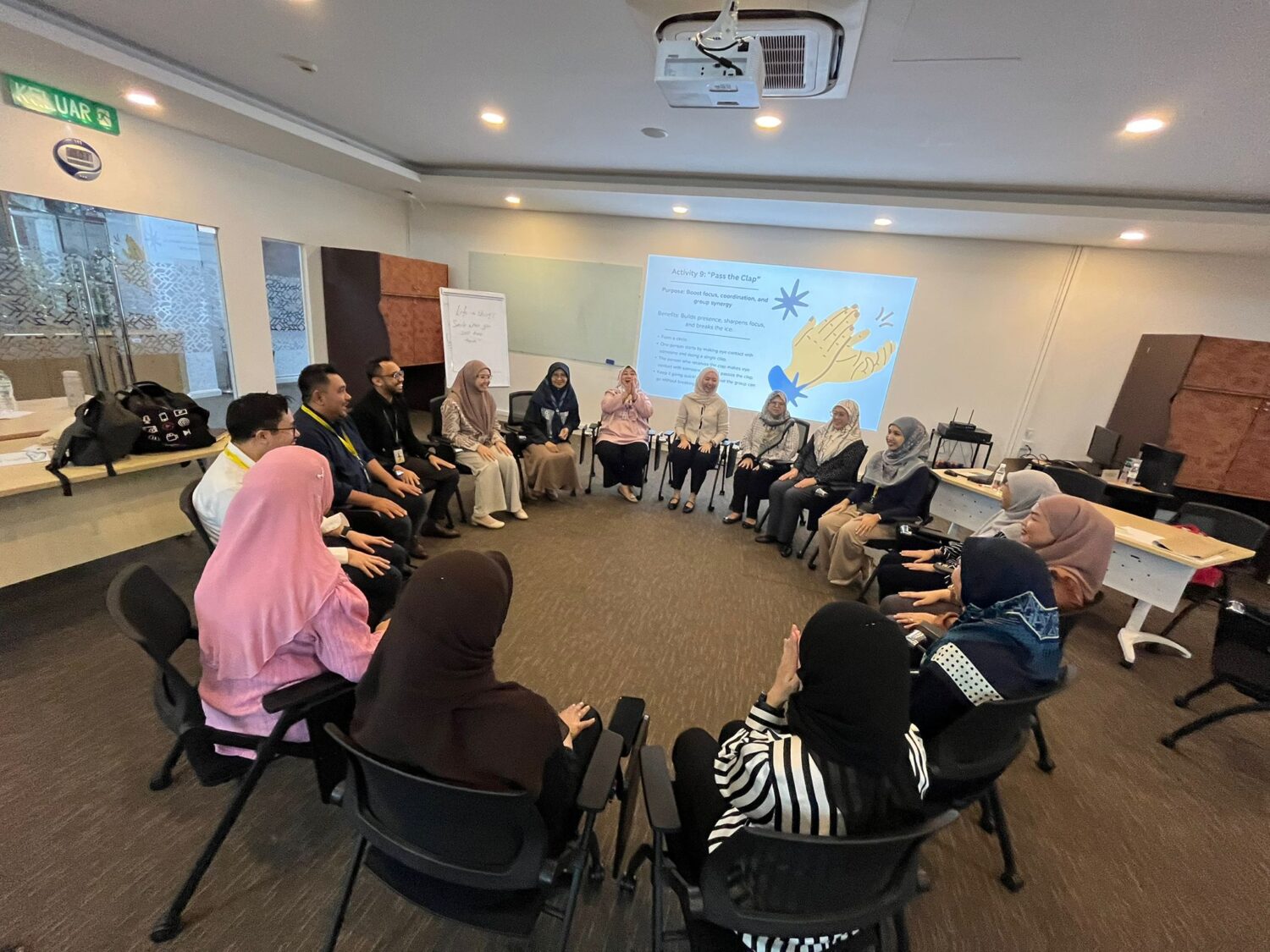
At TEI participants will gain practical skills to empower teams, foster collaboration, and drive sustainable organizational success. The training focuses on fostering a strong team culture, promoting vision and purpose, and building a future-directed, resilient organization by integrating long-term, holistic strategies.
TEI‘s curated leadership training resources consist of an extensive collection of thought-provoking articles by experienced subject-matter experts and industry-leading news sources, in Singapore and the rest of the world
Best Practices In Corporate Training
Businesses are increasingly realizing the value of investing in human resources in today’s fiercely competitive business environment. Using strategic and well-planned corporate training programs is one of the best ways to achieve this. These not only enhance worker performance but also contribute to higher retention rates. Businesses can reduce turnover, increase overall productivity, and foster a culture of continuous learning by adopting the best corporate training practices.
Supporting Subheading
Why Corporate Training Matters
Corporate training extends beyond compliance and onboarding. It has a direct impact on business results by filling skills gaps, increasing employees’ confidence, and linking individual objectives to organizational goals. More significantly, it demonstrates to employees that the organization is invested in their professional growth—an essential retention factor.
careful planning and application of the best practices in corporate training
• Finding gaps in skills.
• Linking training to corporate objectives.
- Conduct A Comprehensive Training Needs Assessment
Prior to creating any learning program, ascertain the current state of your company and its personnel. This entails: • Evaluating present abilities.
• Finding gaps in skills.
• Linking training to corporate objectives.
Content can be tailored to specific roles and departments using tools like performance reviews, surveys, interviews, and skill matrices. This keeps training from being generic and instead makes it targeted, increasing its effectiveness.
- Align Training Goals With Business Objectives
One of the best best practices in corporate training is making learning outcomes specific to measurable business objectives. For instance:
- Desire to lower customer turnover?
Educate customer service reps in empathy and communication. - Want to scale digital transformation?
Upskill employees in data literacy or automation tools.
Such alignment provides a transparent ROI on training initiatives and encourages workers by demonstrating to them how what they learn helps realize the grander vision
- Personalize The Learning Experience
Standardized training is a thing of the past. Today’s students demand training that is both adaptable and useful. Utilize metrics to offer customized learning paths based on:
• Needs particular to a role.
• Preferred methods of learning (videos, modules, live classes); • Professional goals.
Personalization boosts engagement and accelerates learning outcomes.
- Blend Learning Methods For Maximum Impact
Blended learning—mixing instructor-led sessions with self-paced, online modules—is a staple of corporate training best practices. It enables employees to:
- Learn at their own pace.
- Revisit content as needed.
- Participate in live discussions.
In addition, including microlearning (brief, bite-sized information) aids in remembering knowledge, particularly for working professionals.
- Use Real-World Scenarios And Simulations
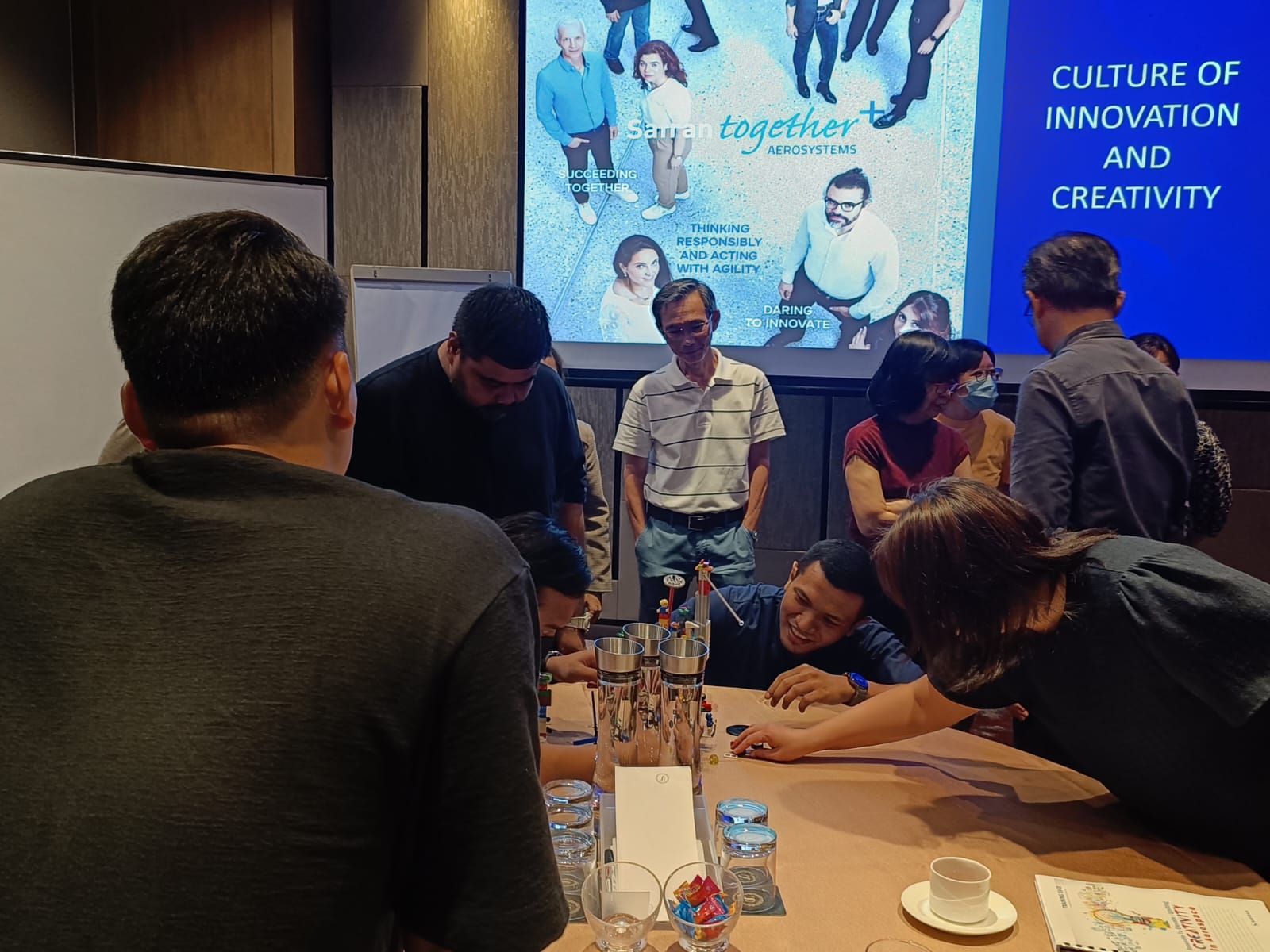
Training must be hands-on, not lectures. Incorporate case studies, simulations, and role-playing to enable employees to put what they learn into practice in real life. For example:
- A sales course may feature mock pitches.
- A leadership course could employ conflict resolution situations.
Such techniques enhance the application of skills and job confidence
Encourage Peer-To-Peer Learning
Building a learning community in your company is one of the greatest corporate training best practices that inspire engagement and teamwork. Consider:
- Setting up internal mentorship programs.
- Hosting knowledge-sharing sessions.
- Setting up digital discussion forums or Slack channels.
When staff learn from one another, it enforces a growth and belonging culture.
- Quis nostrud exercitation ullamco laboris nisi ut aliquip ex ea commodo consequat. Duis aute irure dolor in reprehenderit in voluptate.

Invest In Manager Training
Managers are frequently the bridge between training activities and execution. Endow them with coaching and performance feedback skills to aid their teams in learning. Involving managers in employee development greatly increases motivation and responsibility
- Quis nostrud exercitation ullamco laboris nisi ut aliquip ex ea commodo consequat. Duis aute irure dolor in reprehenderit in voluptate.

Best Practices In Corporate Training
Recognize And Reward Learning Progress
Recognition is a powerful motivator. Celebrate employees who complete training, achieve certifications, or apply new skills successfully. This can be done through:
- Internal newsletters.
- Certificates.
- Promotions or new responsibilities.
Acknowledging effort reinforces the value of learning and strengthens your retention strategy.
How Best Practices In Corporate Training Drive Retention
Retention is usually determined by the way employees feel valued and supported. By utilizing the best practices in corporate training, organizations:
- Boost job satisfaction by investing in employee development.
- Develop more robust career trajectories within the company.
- Build a sense of community and shared purpose.
As per LinkedIn’s Workforce Learning Report, 94% of the employees indicate that they would remain longer at an organization that made investments in their professional Learning and Development.
Measure Training Effectiveness: To improve continuously on your programs, you must measure results. Some important metrics are: • Pre- and post-training tests. • Employee feedback surveys. • Improvements in on-the-job performance. • Retention rates. Use data to iterate and improve your training plans. This data-driven strategy is at the heart of best practices in corporate training.
TEI - Training Edge International served these companies
A renowned brand known for shaping corporate cultures within organizations.

Contact Us


TEI - Training Edge International
Transforming Organizations & Growing People
+65 6333 0737
programs@tei.sg
Company
Working Hours
Mon - Fri: 09:00AM - 09:00PM
Sat: 09:00AM - 07:00PM
Sun: Closed
Address: 111 North Bridge Road Peninsula Plaza, #08-09 Singapore 179098
Life at TEI