Effectiveness & Productivity
Creative team-building activities
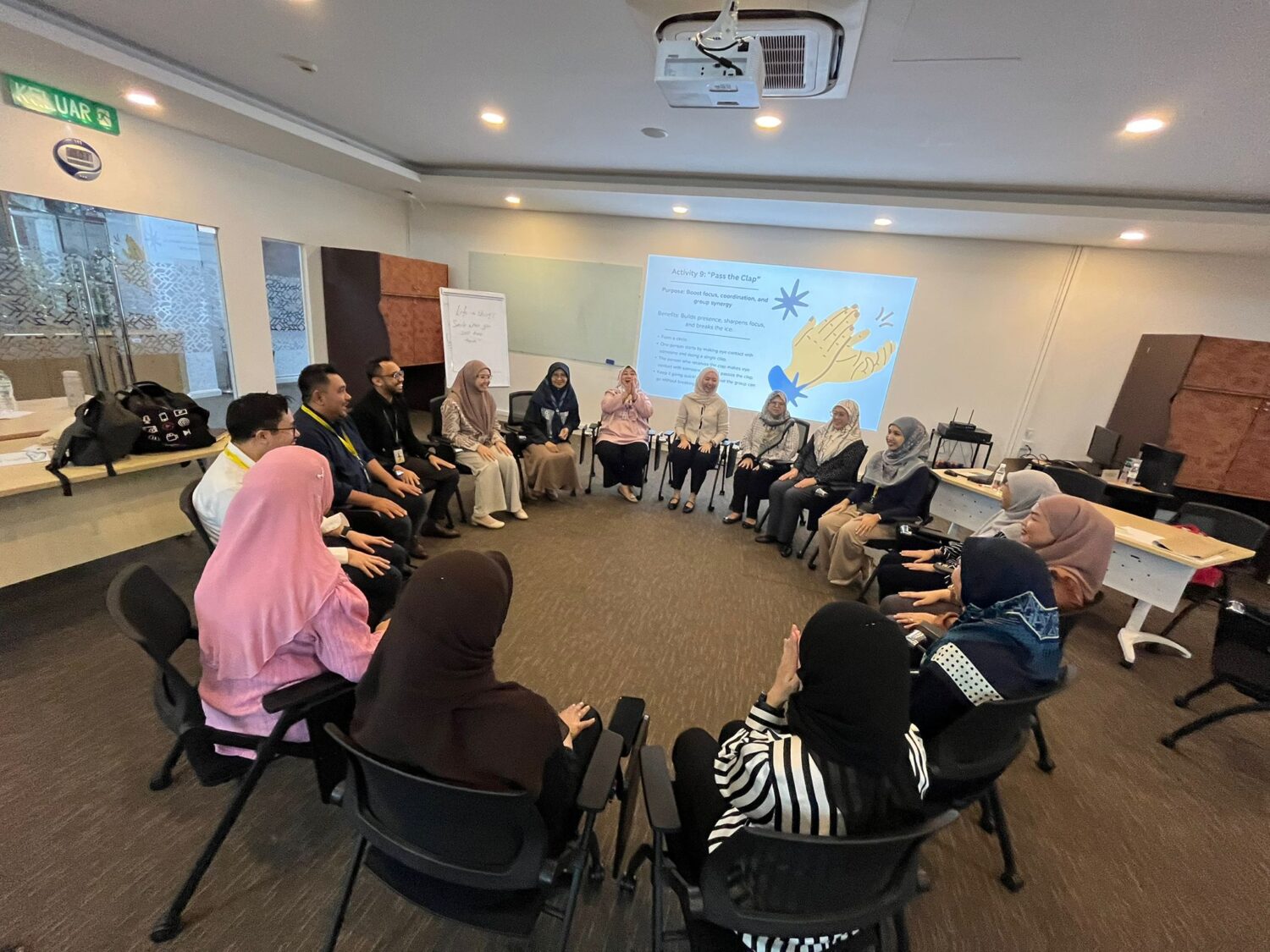
Creative team-building activities are more than just a casual break from the daily life; they are strategic tools that drive team effectiveness and productivity. By encouraging corporation, communication, and problem-solving, these activities help participants apprehend individual strengths and leverage them for collective success. They imbue fun and energy into the office, which can boost morale and job satisfaction.
Improving Communication and Collaboration
At the heart of successful team building is the improvement of communication and collaboration. Fun team activities, such as problem-solving games or group challenges, require team members to communicate effectively, hear actively, and work together to achieve common objectives. These interactions break down barriers and foster an environment of trust and mutual respect. Clear communication pathways are established, allowing team members to show ideas freely and confidently. This not only improves day-to-day communication but also improves team productivity.
Unleashing Creativity and Innovation
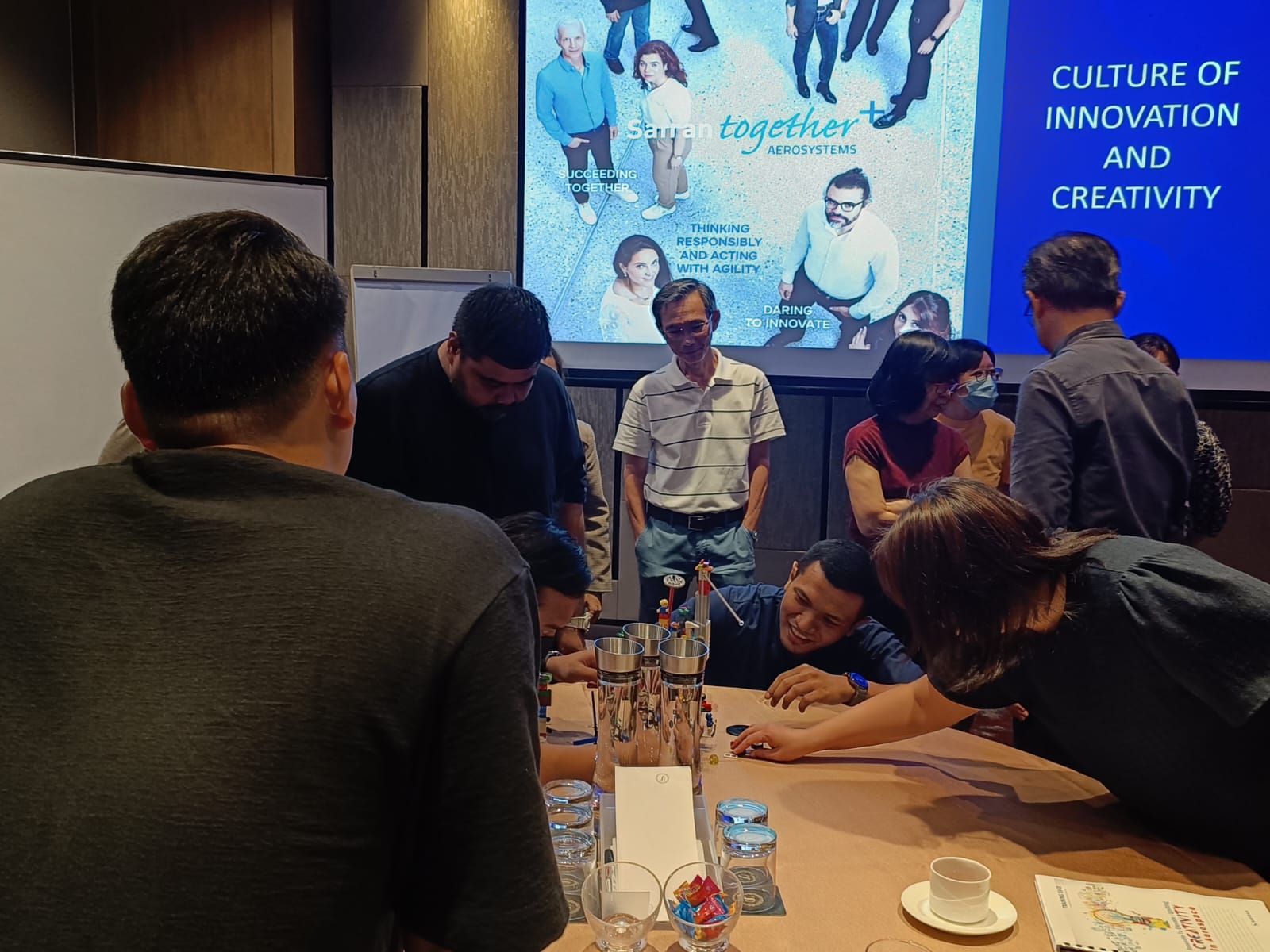
Team building games develope creativity and innovation. When team members engage in activities that push them out of their comfort zones, they usually think outside the box and improve innovative solutions. This creative approach not only benefits the team but also contributes to the organization’s overall growth and success. Encouraging creative thinking through team building helps in nurturing a culture of innovation, where new ideas are welcomed and explored. It also empowers employees to take ownership of projects, leading to a more dynamic and proactive workforce.
Boosting Morale and Job Satisfaction
Injecting fun into the workplace through creative team building can have a remarkable impact on morale and job satisfaction. Participating in enjoyable activities together helps to create a positive work atmosphere, where employees feel valued and motivated. This sense of enjoyment and camaraderie translates into increased job satisfaction and a stronger commitment to the organization’s goals. Furthermore, a workplace that prioritizes team bonding and well-being is likely to experience lower turnover rates and higher employee retention.